


In the world of non-destructive testing (NDT), choosing the right radiography equipment is crucial for safety, efficiency, and accurate defect detection. As technology advances, many inspection teams find themselves at a crossroads: Should they rely on the tried and tested Conventional Radiographic Testing (RT) methods, or should they invest in modern Digital Radiography (CR/DR) systems? The reality is that both technologies hold vital places in the industry today. This guide will walk you through when, where, and why you should pick each system, ensuring your team is equipped for success.
Table of Contents
What is Conventional Radiography?
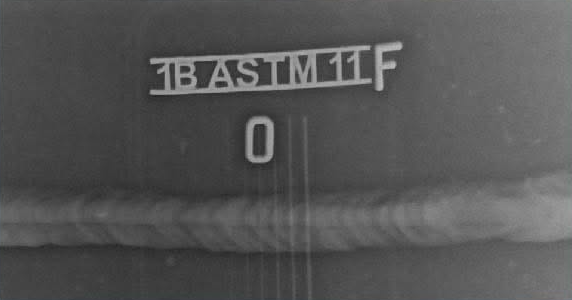
Conventional RT utilizes a gamma ray projector housing a radioactive isotope (such as Selenium-75 or Iridium-192) to expose industrial radiographic film. After exposure, the film undergoes chemical processing in a darkroom or automated processor to reveal the internal structure of the inspected material. It is the traditional, proven standard of industrial radiography, widely trusted for its reliability in harsh environments.
What is Digital Radiography (CR/DR)?
Digital Radiography replaces physical film with reusable digital technology. This category is split into two main types. Computed Radiography (CR) uses flexible phosphor imaging plates that are exposed like traditional film but read by an electronic laser scanner. Direct Radiography (DR) utilizes flat panel detectors to capture X-ray or gamma radiation, transmitting high resolution images instantly to a computer monitor. Both methods completely eliminate the need for chemical processing.
Pros and Cons of Each System
Conventional RT
Pros:
- Zero dependency on external power sources.
- Highly flexible film conforms to complex geometries and small nozzles.
- Lower initial capital investment.
- Extremely rugged for extreme field conditions.
Cons:
- Ongoing costs for film and darkroom chemicals.
- Slower image acquisition due to processing time.
- Requires safe handling and disposal of chemical waste.
Digital Radiography (CR/DR)
Pros:
- Significantly reduced exposure times and smaller safety barricades.
- Environmentally friendly with zero chemical waste.
- Instant or near-instant image results for rapid workflow.
- Powerful software tools for image enhancement and digital archiving.
Cons:
- Higher upfront capital expenditure.
- Rigid DR panels cannot wrap around pipes.
- Requires power sources and careful handling of sensitive electronics.
Key Products for Conventional RT
For those working in remote locations, tight geometries, or requiring the ruggedness of classic film systems, we stock a comprehensive range of conventional equipment.


Exertus Fortes Industrial Gamma Ray Projector
A highly durable gamma projector package designed for safe isotope handling in the most demanding field environments.

GAMCPR Close Proximity Radiography System
Designed for active worksites, this system minimizes safety stand-off distances so you can inspect without disrupting nearby operations.

Industrial Radiographic Film
High quality industrial film offering exceptional contrast and detail for critical defect detection across various material thicknesses.


PED 2 Personal Electronic Dosimeter
Ensure your team stays safe with accurate, reliable radiation monitoring tailored specifically for NDT professionals.
Key Products for Digital Radiography
If your goals are rapid throughput, immediate image evaluation, and reducing your environmental footprint, our digital lineup provides cutting edge solutions.

HPX-ARC 1025 PH Bendable Digital Radiography Detector
A revolutionary bendable DR panel that conforms to pipeline contours, offering the flexibility of film with the speed of digital imaging.

CP200B Portable X-Ray Unit
A completely portable, lightweight X-ray generator that pairs perfectly with digital panels for entirely wireless field radiography.

HPX-1 Plus Computed Radiography System
An industry standard CR scanner delivering exceptional high resolution digital images while maintaining the flexibility of traditional cassettes.

Go-Scan C-View Real-Time DR System
Experience real-time digital radiography with this highly responsive system designed for immediate evaluation and rapid inspection workflows.
The Comparison at a Glance
| Feature | Conventional RT (Se75 / Ir192) | Digital Radiography (CR / DR) |
|---|---|---|
| Initial Investment | Low to Moderate | High capital expenditure |
| Consumables Cost | Ongoing (Film, chemicals, source decay) | Minimal (Reusable plates or panels) |
| Image Acquisition Time | Slow (Requires chemical development) | Fast (CR takes minutes, DR takes seconds) |
| Detector Flexibility | Extremely high (Film conforms to any shape) | Moderate (CR plates are flexible, DR panels are mostly rigid) |
| Environmental Footprint | Chemical disposal and film storage required | Eco-friendly, fully digital workflow |
| Exclusion Zones | Larger (Due to longer exposure times) | Smaller (High sensitivity allows faster shots) |
The Verdict: Coexistence, Not Replacement
The NDT industry is not looking at the immediate death of conventional radiography. Instead, we are seeing a balanced ecosystem where both methods complement one another.
If your priority is mobility, ruggedness, complex geometry, and low upfront asset costs, a classic projector setup with a high-quality isotope source remains unbeatable. If your goals are rapid throughput, reduced safety boundaries, environmental sustainability, and advanced data analysis, investing in a CR or DR system is the clear path forward.
Understanding the specific parameters of your project (material thickness, site environment, budget, and volume) will ultimately dictate which tool is right for the job.
Ready to Upgrade Your Inspection Workflow?
Whether you are looking to restock traditional film supplies or take the leap into a complete DR system package, our technical team is here to help you choose the ideal equipment.